
Oh, shut up and help me remodel the Gacha page!
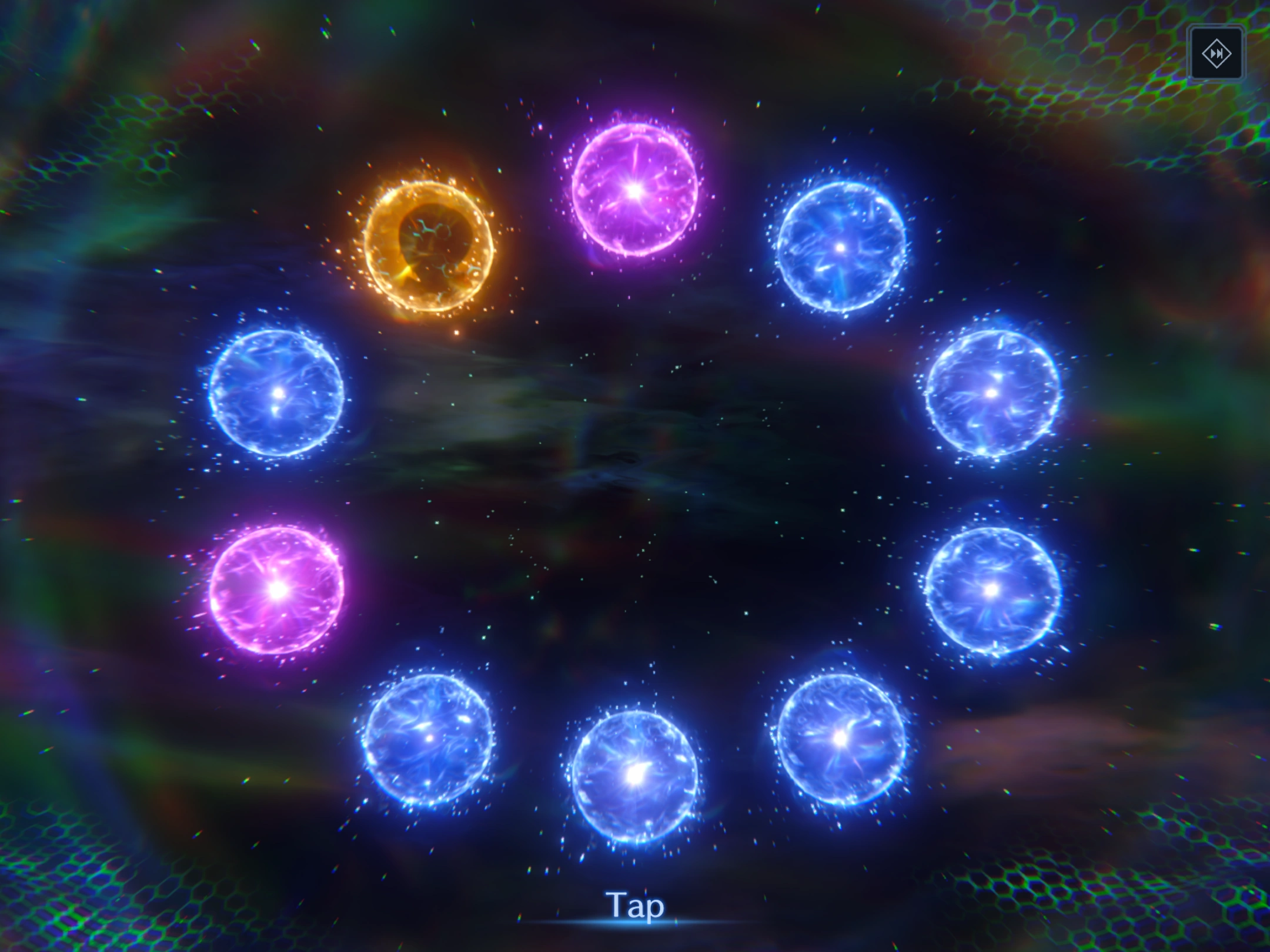

The results of a draw in Ever Crisis.
Gacha (ガチャ?), are lotteries that are a recurring element in select Final Fantasy titles. They are common in free-to-play games, where they account for the majority of a game's revenues.
The terms draw and pull are used interchangeably to describe the actions or results of a gacha. Many games in the series thematically use the term summon to describe the same.
Overview
Gacha add an element of random chance and frequently use the game's premium currency to acquire better units and equipment. Microtransactions can also be used to participate in a gacha.
Gacha are frequently associated with loot crates found in free-to-play titles outside the Final Fantasy franchise, since loot crates are essentially paid packages of random items. Within the franchise, however, purchases of loot crates are not necessary to play a gacha game, but can sometimes improve the odds of drawing better items.
While gacha and its associated terms as a whole tend to be associated with smartphone and iOS games, random item drops from enemies in RPGs are similar, and some video games that have random drops and item farming as a main gameplay feature can be considered a predecessor to gacha, some titles being Final Fantasy XII, Vagrant Story, Trials of Mana, and Phantasy Star Online/Universe, though differ by obvious reasons, ranging from eased exploits with pattern recognition and being direct rewards for playing the game normally. Gacha as a whole remains mixed in its reception and somewhat controversial for its workings, with the mechanic seen as irrelevant to core gameplay and as a disguised form of gambling (see Legality).
Legality
Because gacha games are often considered on par with gambling due their randomness and the tendency to involve real-world currency, they are regulated or barred outright in certain territories. China, for instance, requires gacha games to disclose odds. Belgium and the Netherlands have a full ban. "Game gacha", unlike real world prizes in Japan (see Etymology) or MMO/online video game items, cannot be traded between players or sold for premium as collector's merchandise and memorabilia after series runs.
In Japan, "complete gacha" (requiring drawing multiple parts to complete a premium item) has been banned since 2012, while the other types of gacha require the publishers to declare the drop rates.
Apple Inc. modified its App Store policies in 2018 to require full disclosure of gacha odds.
Games using gacha
Final Fantasy VII Ever Crisis
Players are offered multiple gacha options for weapons and outfits, with Blue (free) or Red (paid) Crystals as the principal currency. Ticketed pulls are also available, with the tickets earned as mission completion rewards or delivered as gifts. Most single pulls cost 300 Crystals, with 10-pulls costing 3000 Crystals each.
When a pull is initiated, Cloud is seen rushing at an Iron Giant in Corneo Colosseum, then viciously attacking it, the hits corresponding to the rarity of pulls attempted; when a 5★ pull has been hit, it displays as "77777 Fever". Each pull manifests as a materia crystal of varying color: blue represents a common 3★ item; purple is 4★; and gold is 5★, the last usually featuring a character's silhouette as it pops open. Ultimate Weapons are of 7★ rarity, encased in iridescent aqua orbs.
Duplicate pulls are either taken into the player's inventory (if higher) or can be converted to weapon parts to use for upgrades later on. A tutorial mission will switch on the automatic conversion process; with this enabled, it is not necessary for the player to manually convert repeat weapons into parts.
Featured draws with free AND paid Crystals issue chocobo stamp cards; with each pull, the gacha will ink 1-12 stamps onto a stamp card for bonus items. Attempts are cumulative, as the player will win all prizes covered by the stamps. Typically, the sixth slot of the first card will guarantee a featured weapon chosen by the user regardless of the overall outcome of the pull. The sixth slot of the second card guarantees a random 5★ weapon. The twelfth slot of the first or second card will guarantee gear of the user's choice. After the third card is filled, all future draws from the associated banner will stamp an identical card used in successive runs.
King's Knight -Wrath of the Dark Dragon-
- NOTE: Service has ended for this title.
A forked gacha system was used. Within any given event period, the player could participate in one of two gacha spins: one for units, and a second for weapons used by those units. Each required Regalite to play.
Where a unit spin became available, it was either a standard spin (choice of 1 or 10) or a step-up spin (tiered spins with increasing rarity guaranteed per step up to a max of 250 Regalite for a 10-draw spin with one featured unit guaranteed). Any 10-draw spin could award an event item for the duration of the event. Some draws were only available to players who purchased Prime Regalite, and even if this was not the case, regular Regalite took precedence.
3★ units and above added subquests to the narrative, which were queued in the order each unit was drawn. 4★ weapons often carried a powerful King's Might when fully forged to 5★.
Final Fantasy Agito
- NOTE: Service has ended for this title.
 This section in Final Fantasy Agito is empty or needs to be expanded. You can help the Final Fantasy Wiki by expanding it.
Dissidia Final Fantasy Opera Omnia
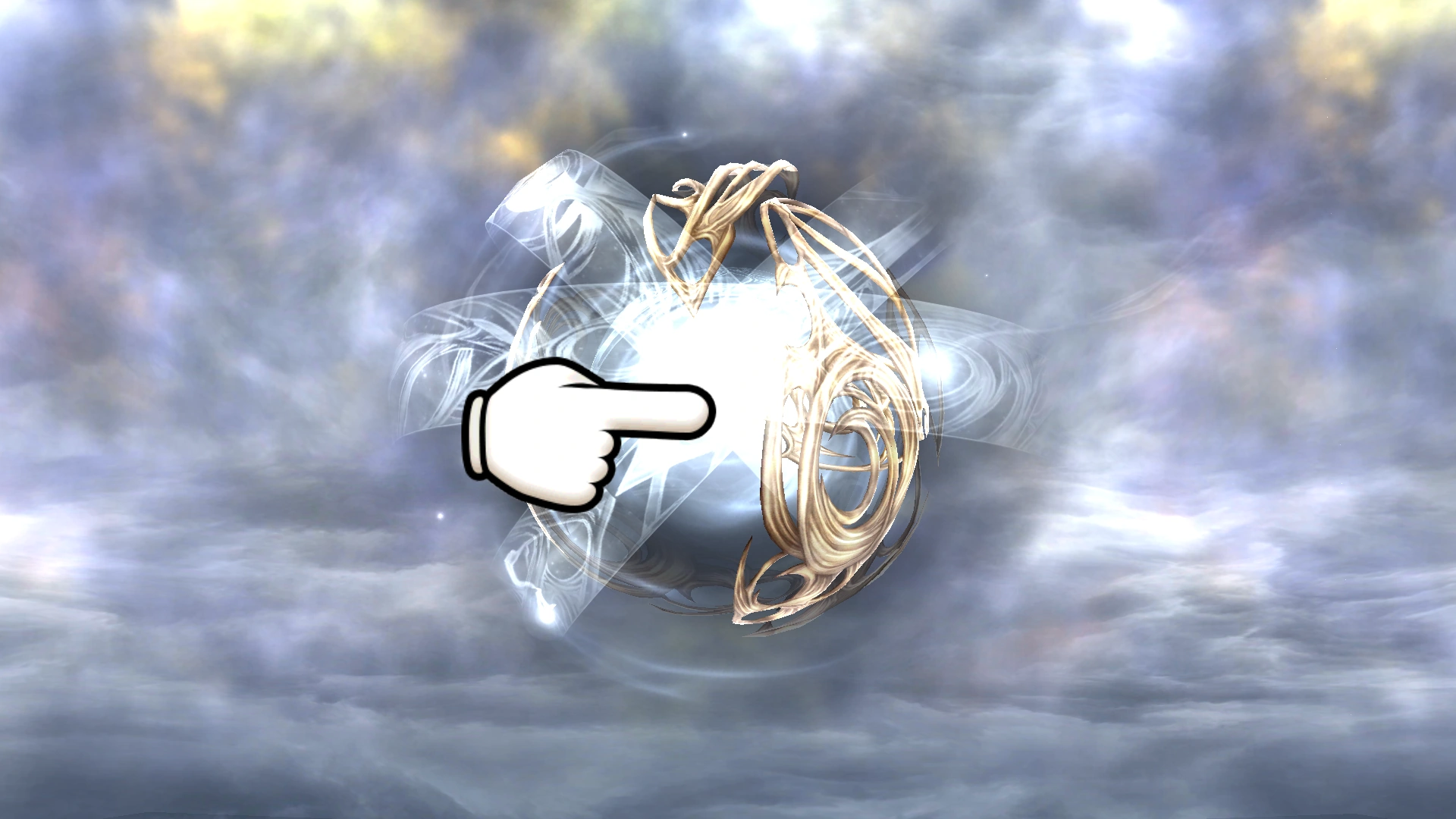

A gacha pull in Dissidia Final Fantasy Opera Omnia, prior to reveal.


- NOTE: Service has ended for this title.
Overlapping equipment draws were rotated weekly, or in time with story events. The player could choose which draw to participate in, and spend Draw Tickets or accumulated Gems to attempt pull(s). Draw Tickets were 1:1, but did not guarantee a high pull. 500 Gems were equivalent to one Draw Ticket for the same odds. Within each draw was a 5,000 Gem "10+1 Multi-Draw", wherein 11 items were pulled including one guaranteed 5★ item. There is no guarantee that the item(s) carry Affinity for a player's current units, or that the same item is not pulled more than once. Even so, this could work to the advantage of the player, as duplicates could be fused up to three times to boost a relic's attributes. Native 5★ weapons could also be sold for valuable Power Stones, of which four were needed to limit-break a 5★ weapon once without a fusion (up to 12 for a max limit break). This same logic applied to FR weapons, which when sold became very rare High Power Stones.
Starting with client 1.10.0, if the player pulled a 5★ weapon for a unit not already on their reserve roster, the missing unit was awarded automatically, regardless of whether or not the player completed an associated scenario.
As of August 2020, all draw banners guaranteed that any 5-star relic obtained was for one of the units featured in a linked event; for example, if Sephiroth was part of a co-op raid event and Kefka was not, drawing from the attached banner would increase the odds of getting a greatsword tailored for him. The player would not receive 5-star relics for Kefka in any draw that did not feature him specifically.
As of late March 2022, new draw banners removed the 4-star armor relics that were provided since launch. Players instead needed to buy these relics with earned and/or purchased Gems at 10 Gems apiece.
Dissidia Duellum Final Fantasy
Players may participate in any of several pulls to summon other characters, costumes, and abilities. Each character and their costumes constitute one gacha pool and are treated as separate units, though their role remains unchanged across the various costumes for each unit. Meanwhile, abilities are in their own dedicated gacha pools and are grouped by rank as follows: N (Normal) → R (Rare) → SR (Super Rare) → UR (Ultra Rare). Draws may be performed with tickets specific to the player's desired draw, or with MogPay coins purchased or acquired after battles. Multi-draws are also available, each requiring a minimum of ten (10) tickets or 1500 MogPay points. Rerolls are possible during initial registration and setup, and there exists a pity system wherein high-ranked items are guaranteed after a specific number of pulls. Initial registration guarantees one unit of the player's choice. All draws award Growth Eggs, used to level up acquired abilities.
Final Fantasy All the Bravest
NOTE: Service has ended for this title.
While not a gacha game in and of itself, this title relied on gacha-style mechanics to acquire any of more than 30 heroes from the main series as possible units. For 99¢ apiece, players could randomly draw one hero to appear alongside the randomly-generated party in battle. Unlike the nameless job characters, only one copy of each purchased unit can appear per battle. Once a hero was drawn, they were removed from the pool of available units.
Final Fantasy Record Keeper
While it is possible to draw one free piece of equipment per day beginning at 5:00 AM PST/13:00 UTC, such equipment is often of lower rarity than found in the gacha Relic Draw. Relic Draws rotate periodically with in-game events, offering a chance at 5★ and 6★ relics that could prove advantageous in high-difficulty stages. Featured Relic Draws require accumulated Mythril stones or purchased Gems, with most guaranteeing one 5★ or better drop per draw. Though duplicates may also occur, they can be fused up to two times in order to boost the original relic's strength.
Some events have used roulette to award exclusive relics and rare materials. The player needs to obtain gambling chips from an accompanying dungeon. Only the highest-value spin is displayed if multiple spins are bought.
Final Fantasy Brave Exvius
NOTE: Service has ended for this title.
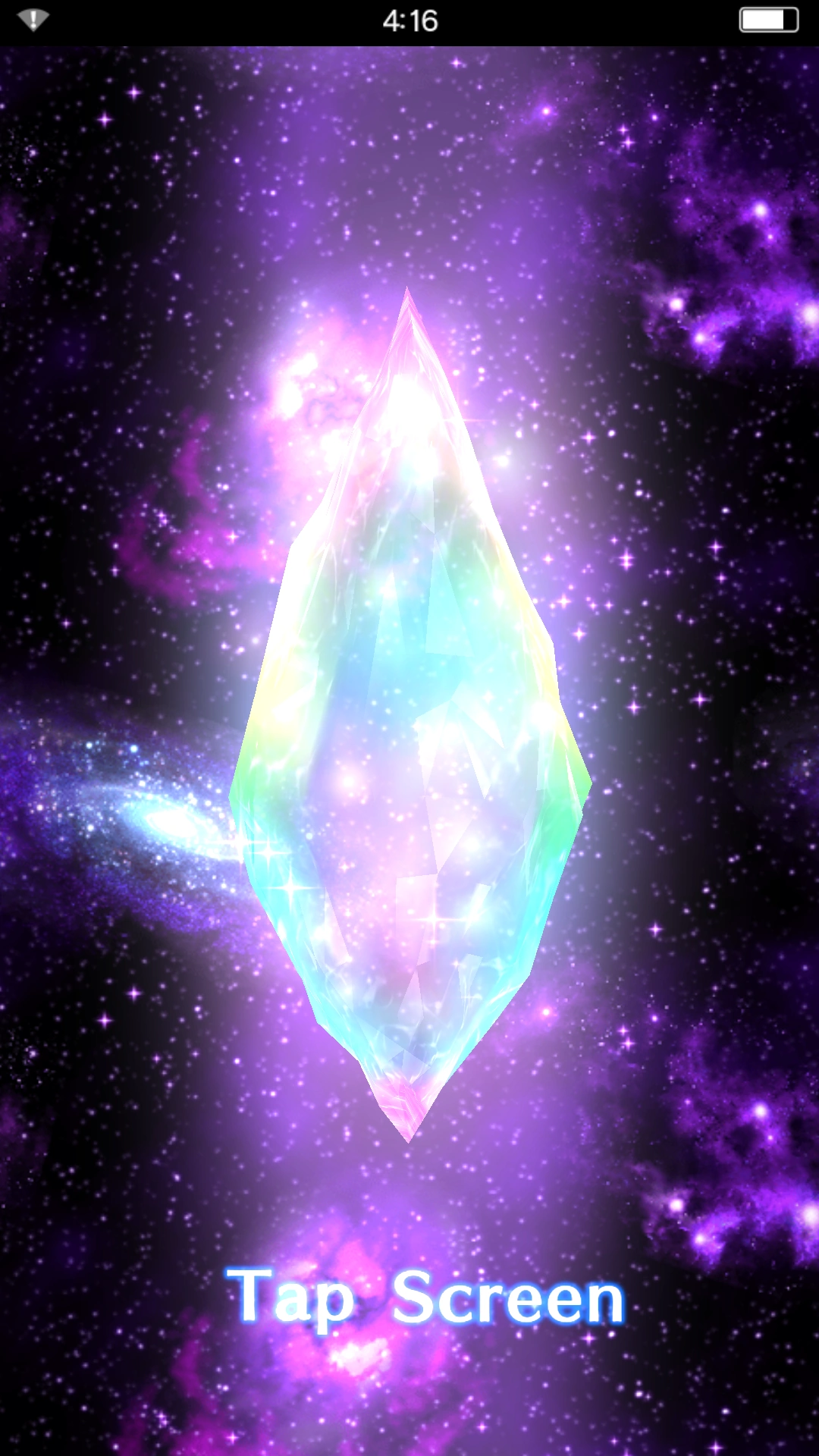

A rainbow crystal, indicating a 5★ vision.
Brave Exvius had arguably the most complex gacha system in the series. Nearly all units (except those given for free) were frequently subject to lottery, which required the use of special summon tickets or accumulated Lapis. There were several varieties of lottery summon as well, each requiring a specific ticket type. Standard Rare Summon Tickets guaranteed a 3★ or better unit. Guaranteed 4★ and higher rarity Rare Summon Tickets were also available, requiring completion of certain advanced events or other high-ranking tasks.
Due to the game's ever updating nature, the mechanics of the gacha system changed over time. Initially a Rainbow Crystal was not indicative of a base 5★ but could be a lower rarity unit upgraded to a higher one, which was eventually modified into being only for their actual base rarity. The game's pull chances were also increased and adjusted as newer rarities like Neo Vision (NV) or Neo Vision+ (NV+) were introduced.
Outside of collaboration events, some units were specific to a Summon Festival, in which units could not be summoned unless a Summon Festival banner was available. This practice was not implemented in the game's Global Version.
Complementary mechanics were also introduced to facilitate obtaining units, such as Step Up banners in which players summoned in specific banners with lower costs that increased in each next summon or "step" until reaching the final step. Step Ups varied in nature with some offering increased chances, guaranteed summon in the last step or rewards on each step performed. Some Step Ups could be looped multiple times, and the total cost of each Step Up also differed between events and game versions. A pity or ceiling system was also implemented, guaranteeing players could obtain a particular unit if not successful after a certain number of tries. The mechanics differ between game versions.
War of the Visions: Final Fantasy Brave Exvius
NOTE: Service has ended for this title.
As with the parent title, multiple gacha and shops were available. Differently from Brave Exvius, players summoned between both units and vision cards from a different rarity system classified from lowest to highest: Normal (N), Rare (R), Super (SR), Mega Rare (MR)/Super Super Rare (SSR), and finally Ultra Rare (UR). Instead of Lapis, the premium currency was the similarly shaped Visiore. One summon cost 200 Visiore, while 10 summons were 2000 apiece, which guaranteed at least 1x MR or higher pull. Unless specified by the banner, most draws contained a mix of units and cards. Special draws also awarded exchange tokens for the Mog Shops. Espers could be obtained by acquiring their respective vision cards.
Complementing the rarity system was the cost system, which was a value given to both units and vision cards, which ranged from 20 up to a maximum of 100 for units and 90 for vision cards. The cost determined how powerful the unit or vision card relative to others, with variances found within a same rarity as well. Cost 100 units and cost 90 vision cards all of which were UR generally had half the rates of acquisition as the rest of the UR content, and often called as "Premium" by players as a result. While premium content was rare in the first years, it became increasingly more common over time, and some units, particularly seasonal/holiday-themed units, or those belonging to the Another Story sidestory. were often locked to specific semi-regular banners, reissued infrequently.
Several measures were introduced to compensate for this, including step ups and pity/ceiling systems, the mechanics of which differed between game versions and across the unit/vision card costs. Subsequently the ability to directly purchase units through bundles using paid visiore became a mainstream feature. 100 cost units were available for 12,000 paid visiore while lower costed UR units were at 6,000. In both cases the bundles contained 200 shards of the respective unit and materials to develop it. While the game never introduced a new rarity, a new type of vision card, the holo vision card was introduced, which included a glossy effect similar to those seen in trading card games, and additional zone-based effects (Quest, Arena, Guild Battle) and small boosts to certain jobs, which cost nearly double the usual amount to obtain guaranteed as its regular peers. The steep cost of these measures was often a point of contention for players across different online platforms.
In the game's Japanese version two new features were introduced. The Elemental Fest, in which certain units could only be obtained in these banners, but it also allowed players to easily obtain older 100 cost units of the same element. Step ups to obtain vision cards at level 99 was also introduced, which required paid visiore.
For celebratory dates and reruns, promotions were often held which allowed players to easily obtain past units, often at maximum level using paid visiore and at a comparatively much lower cost than normal. Promotions varied, allowing players to directly select their desired outcome, or otherwise include UR only summons, or allowing players to obtain several unit/vision cards shards. Players were offered free visiore banners and paid visiore banners, the latter of which yielded better outcomes.
Mobius Final Fantasy
NOTE: Service has ended for this title.
As a card battle game, a gacha system was used to acquire ★3 or better ability cards. This gacha rotated every two weeks. Players could use magicite or stocked Summon Tickets to draw new cards, with a chance at obtaining a maxed ability card, a Job card, a Legend card, or any combination of these special cards. Summon Tickets were dropped as area completion rewards, rare treasure chest rewards, Login Bonus items, or as part of the "Mobius Gift Box" loot crate available every 30 days from the last Gift Box purchase.
Some gacha draws awarded special prizes when a signature card from a set (called a "batch") appeared in a player's draw. The prizes could include accessories for Meia or Sarah, multiplayer stamps, or special Echoes for a given event.
Etymology
In Japanese, gacha is a contraction of gachapon, a term used to describe the toys dispensed in plastic capsules from vending machines. The word itself is an onomatopoeia for the vending machine assembly as the "prize" tumbles toward the customer. Western audiences did not use the term until recently. but may be familiar with the concept through gumball vending machines, and toys dispensed in plastic eggs by chance from similar machines. Japanese culture is more familiar with the term due to a focus on vending machines within its fast-paced and urban compacted city culture, while western culture is more familiar with ticket exchanges, with gumball and prize vending machines being more focused on novelty and one-off prizes.
Gacha toy prizes in Japan tend to be of near equivalent value to toys and models sold at hobby and toy stores, and tend to be collectible series for various franchises, Final Fantasy included. Real life gacha toy prizes also have a trading economy.
Several games may use "summon". Evocation is the act of calling upon or summoning a spirit, demon, god or other supernatural agent, in the western mystery tradition. Comparable practices exist in many religions and magical traditions and may employ the use of mind-altering substances with and without uttered word formulas.